When people are told they are long-sighted, short-sighted or presbyopic, it can sound confusing, especially as all three affect the way the eyes focus. In simple terms, these are common vision conditions that can make it harder to see clearly at certain distances. The good news is that they are familiar problems, they can be properly assessed in an eye examination, and there are usually straightforward ways to help.
This guide explains what each term means, the kinds of symptoms people often notice, how the conditions differ, and how glasses or contact lenses can help. It also explains why an eye examination is important, because similar symptoms can have different causes and the correct prescription depends on careful measurement.
What is short-sightedness?
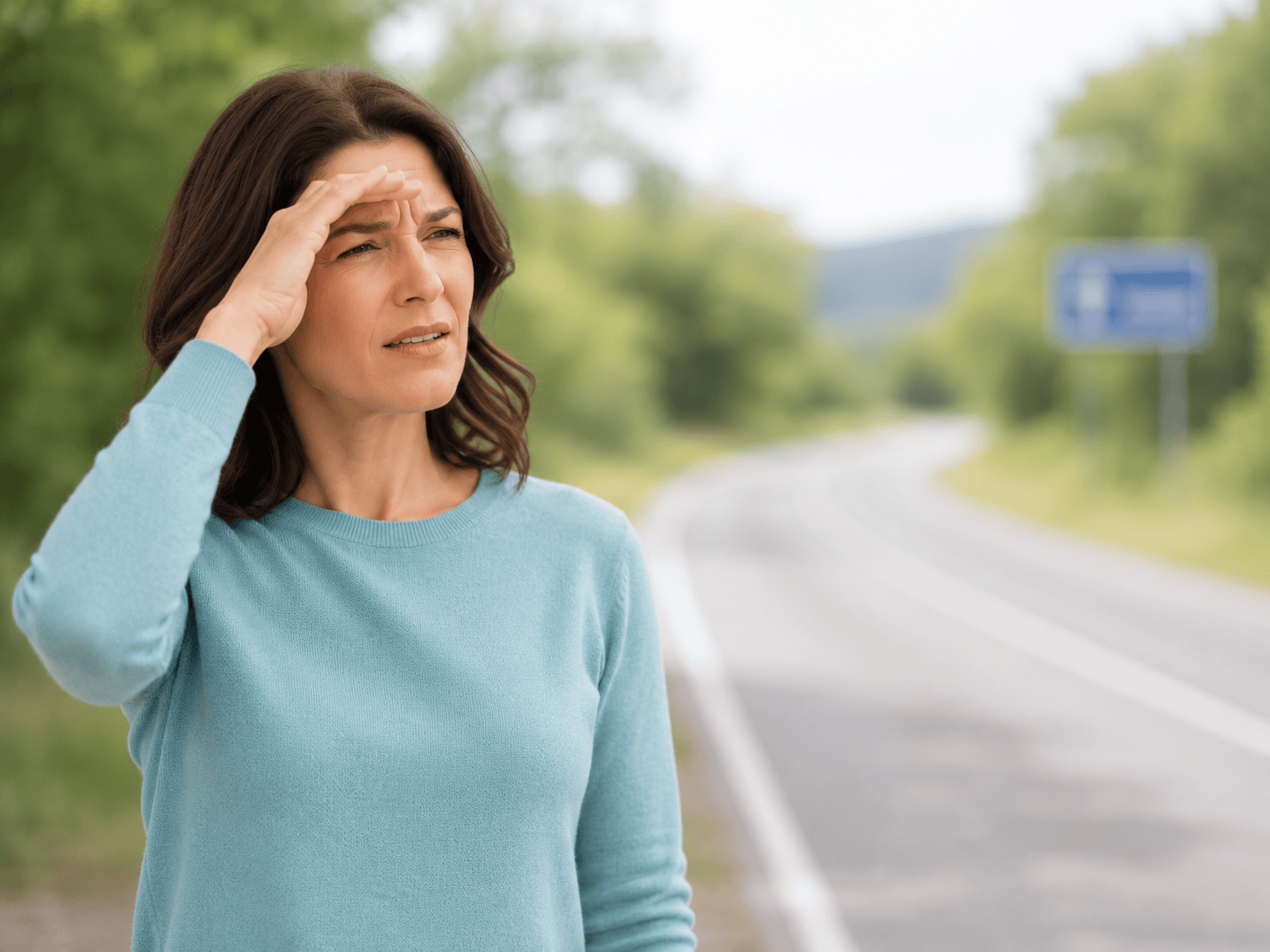
Short-sightedness is also known as myopia. If you are short-sighted, you usually see near things more clearly than distant things. For example, reading a phone, book or menu may be comfortable, but road signs, the television, a classroom board or faces across the room may seem blurred.
Short-sightedness happens because the eye focuses light slightly in front of the retina instead of directly on it. This means distance vision is not as clear as it should be.
Common symptoms can include:
- blurred distance vision
- squinting to try to see more clearly
- difficulty seeing the board at school or signs when driving
- eye strain or headaches, particularly after trying to focus at distance
Short-sightedness often starts in childhood or the teenage years, although it can continue to change into early adulthood. In children, it may show up as sitting very close to screens, holding books close, or having difficulty seeing things in the classroom or at sports.
Glasses and contact lenses can usually correct short-sightedness very effectively by helping light focus properly on the retina. The strength of the correction is measured during an eye examination, and this can change over time, particularly while children and younger adults are still growing.
What is long-sightedness?
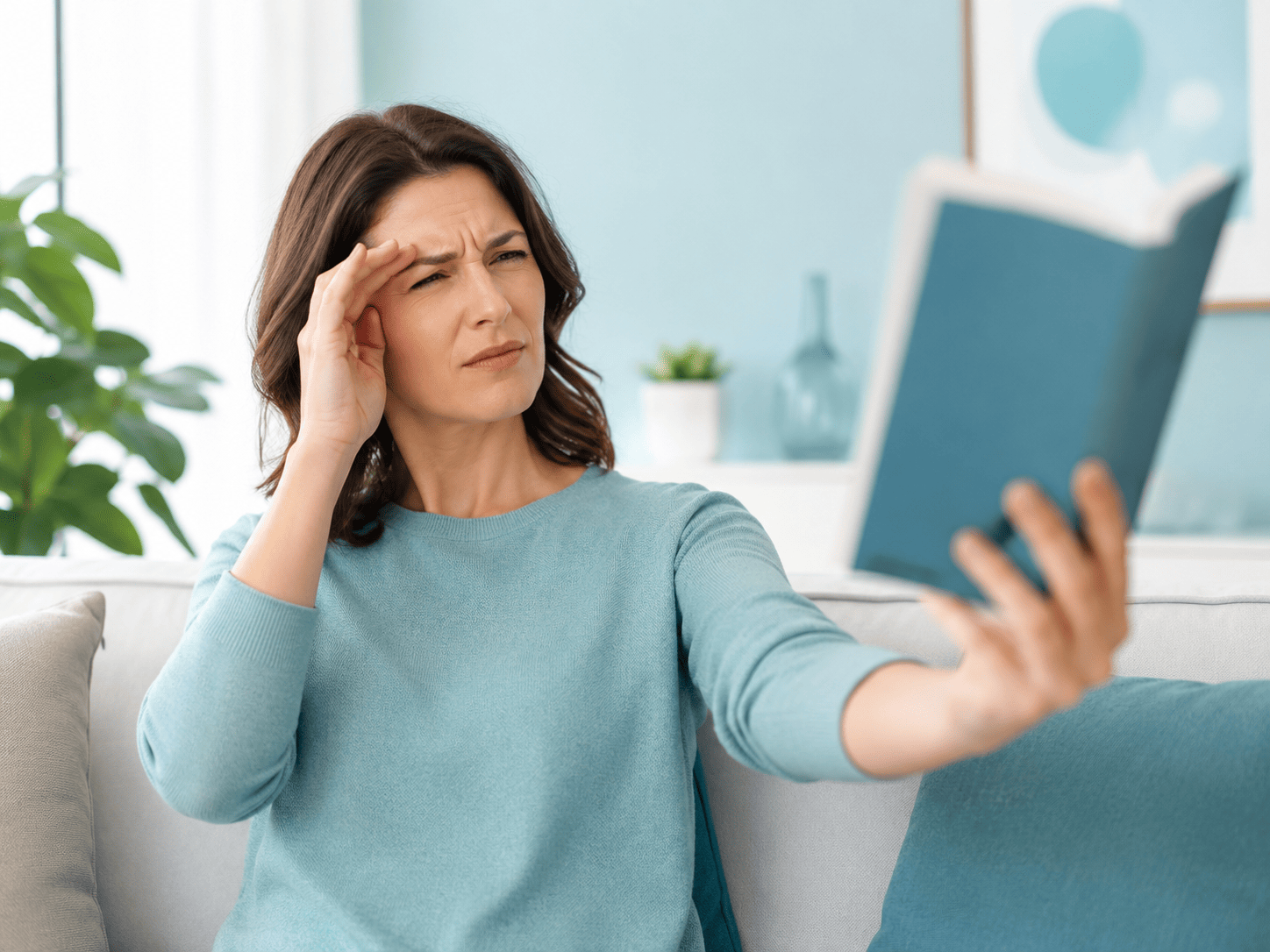
Long-sightedness is also known as hyperopia. If you are long-sighted, close work is often more difficult than distance vision, although the exact effect depends on your age and the amount of long-sightedness present. Reading, sewing, computer work or other close tasks may become tiring or uncomfortable, and sometimes distance vision can be affected too.
Long-sightedness happens because the eye focuses light slightly behind the retina rather than directly onto it. Younger eyes can sometimes compensate for this by focusing harder, but that extra effort may cause symptoms.
Common symptoms can include:
- blurred or uncomfortable near vision
- tired eyes after reading or screen use
- headaches, especially after close work
- the need to hold reading material further away
Long-sightedness can affect both children and adults. In children, significant long-sightedness can sometimes be linked with a squint or visual development issues, which is one reason children’s eye examinations are important if there are concerns about vision, reading or schoolwork.
Some people are surprised to learn they are long-sighted because they may have managed quite well for years, only noticing the strain rather than obvious blur. An eye examination can identify this and determine whether glasses would help. In some cases, glasses may be recommended mainly for reading or close work, while in others they may be useful for more general wear.
What is presbyopia?
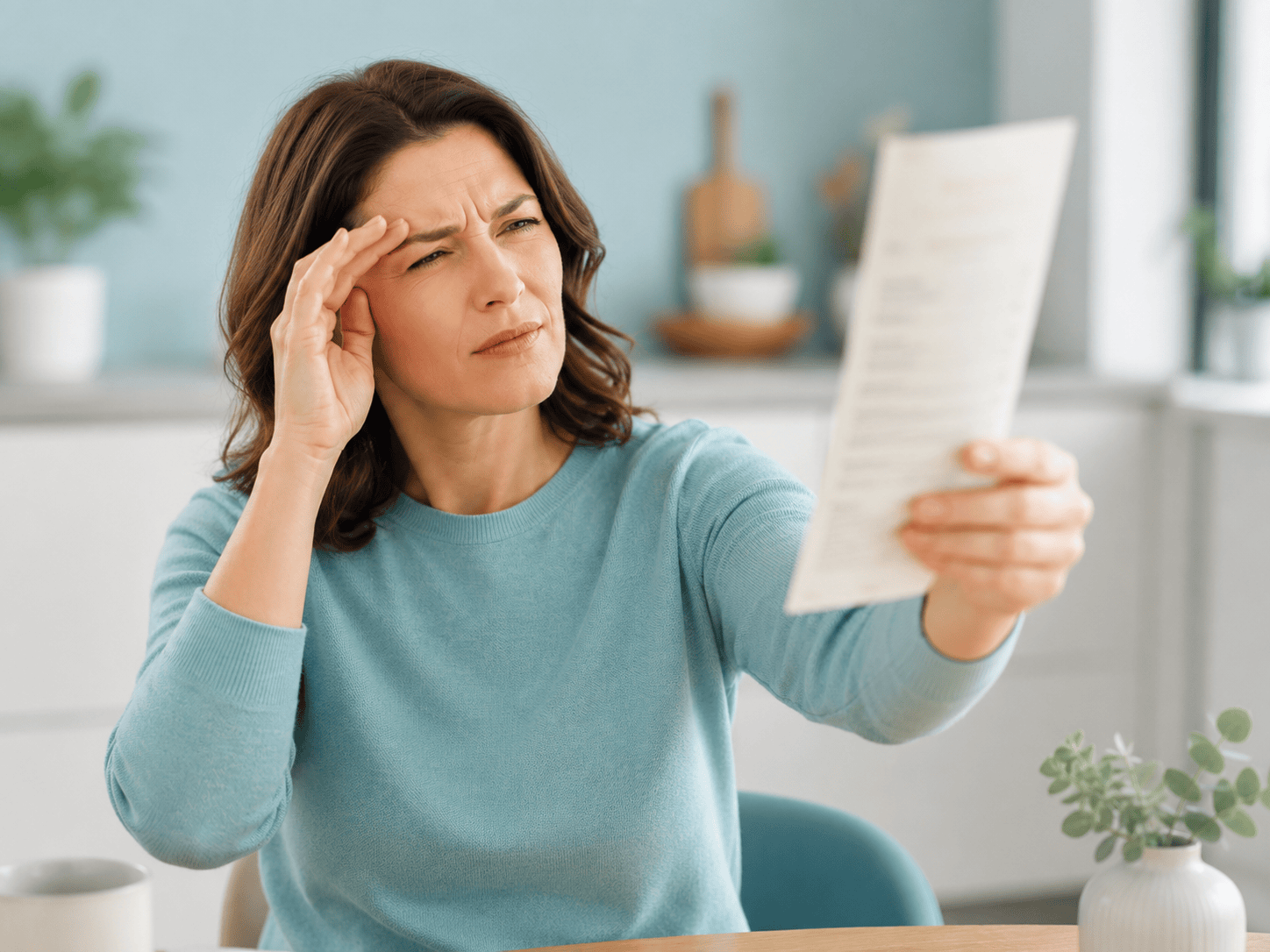
Presbyopia is the natural age-related change that makes close focusing more difficult, usually becoming noticeable in the early to mid-40s. It is not a disease, and it does not mean anything is wrong with the health of the eye. It is simply a normal part of getting older.
As we age, the lens inside the eye becomes less flexible and the eye finds it harder to focus on close objects. This means tasks such as reading small print, checking labels, sewing or looking at a phone can become more difficult than they used to be.
Common signs of presbyopia include:
- holding reading material further away
- difficulty with small print, especially in poorer light
- needing more light to read comfortably
- tiredness or headaches after prolonged close work
Presbyopia affects almost everyone to some degree with age, including people who have never previously needed glasses. It can also affect people who are already short-sighted or long-sighted. In those cases, a different type of spectacle or contact lens correction may be needed for near tasks.
The amount of near help required usually increases gradually over time. This is why reading glasses that worked well several years ago may eventually feel too weak, or why someone may begin to need different solutions for reading, computer work and general day-to-day vision.
What is the difference between long-sightedness and presbyopia?
This is one of the most common areas of confusion.
Long-sightedness is a refractive error, which means the eye is not focusing light in quite the right place. It can be present in younger people as well as older people.
Presbyopia is an age-related reduction in the eye’s ability to focus up close. Even someone with perfectly good distance vision can become presbyopic as they get older.
It is also possible to have both at the same time. For example, someone may be mildly long-sighted and also notice increasing difficulty with close work as presbyopia develops.
How can these conditions be corrected?
The right correction depends on your eyes, your prescription and how you use your vision day to day.
Options may include:
- single-vision glasses for distance or near tasks
- reading glasses for presbyopia
- bifocals or varifocals if you need help at more than one distance
- contact lenses, including options for some people with presbyopia
At Actons, lens advice is based not just on the numbers in your prescription, but on how you actually use your eyes at work, at home, when driving and during the things you enjoy. That is particularly important for people with presbyopia, as there can be several suitable ways to help depending on your needs.
For example, someone who spends most of the day using a computer may need a different solution from someone who mainly wants help with reading, driving or switching between several viewing distances. The best option is the one that fits comfortably into everyday life.
When should you book an eye examination?
If your vision is blurred, reading is becoming more difficult, you are getting headaches or eye strain, or you simply feel your glasses are no longer right, it is worth arranging an eye examination. Children should also be seen if there are concerns about sight, reading, schoolwork or visual comfort.
An eye examination does more than check whether you need glasses. It also allows us to assess how your eyes are working, whether your prescription has changed, and whether there are any other eye health concerns that need attention.
If you are unsure whether the problem is long-sightedness, short-sightedness or presbyopia, do not worry. That is exactly what the eye examination is there to assess.
Would you like help with your vision or glasses?
If you have noticed changes in your distance vision, near vision or reading comfort, contact Actons Opticians to arrange an eye examination.